Mastering the songwriting process requires prioritizing the completion of tracks over seeking perfection by developing a consistent, disciplined routine. By focusing on iterative refinement and moving projects through distinct stages of development, musicians can overcome creative blocks and successfully transform raw ideas into finished compositions.
Your hard drive is likely a graveyard of brilliant 8-bar loops and half-baked choruses that never reached the finish line. This stagnation is not a lack of talent; it is a failure of system. In the professional landscape, the ability to close a project is what separates an amateur from a career producer. Relying on the myth of the muse often leads to the dreaded 90 percent plateau where tracks go to die. Drawing from thirty years of studio experience, we are breaking down the precise mechanics of completion. You will learn a robust three stage framework for finishing every track, how to prioritize your creative decisions to bypass mental blocks, and practical strategies to transform your scattered demos into polished, release-ready assets.
The Myth of the Muse and the Discipline of Finishing

The common romanticization of art suggests that great songs arrive in a lightning strike of divine inspiration. After 30 years in the music industry, we have found that relying on the muse is the most effective way to ensure a project remains unfinished. The true differentiator between a hobbyist and a seasoned professional is not the quality of their initial ideas, but the ironclad discipline required to see a track through to its final export.
A professional songwriting process is less about chasing a fleeting spark and more about managing a repeatable system. It requires moving past the dopamine hit of a new melody into the labor intensive work of structural refinement, lyric editing, and technical polish. When we treat creativity as a workflow rather than a mystery, we remove the friction that keeps most artists stuck in the loop of work in progress folders. Real progress happens when the desire to be perfect is replaced by the commitment to be finished.
At Voltronix Studios in Ottawa, we view the act of finishing as more than just a box to check; it is a catalyst for meaningful transformation across any creative discipline. When we provide creative solutions for our clients, we apply this same rigor to ensure that ideas move from the conceptual stage to impactful execution. The discipline of completion is what turns a raw concept into a tool for change. By moving away from the myth of the muse and toward a structured methodology, we ensure that the creative output serves a clear, professional purpose.
Why the Final 10 Percent of the Songwriting Process is the Hardest

The transition from a rough arrangement to a broadcast ready master is where most creative projects fail. While the initial stage of the songwriting process is fueled by the dopamine of discovery, the final 10 percent requires a confrontation with the forever demo. This phenomenon occurs when an artist remains stuck in a cycle of infinitesimal tweaks, adjusting the reverb decay on a snare or rewriting a single bridge lyric for the twentieth time. These actions are rarely about improving the song; they are psychological defense mechanisms designed to delay the vulnerability of a finished product.
An unfinished project represents infinite potential. As long as a track remains in the workstation, it is shielded from external criticism and the possibility of failure. The moment it is exported and shared, it becomes a fixed entity subject to judgment. This fear often manifests as a sudden obsession with technical minutiae. You might find yourself micro editing vocal takes or obsessing over compression ratios not because the song needs it, but because the alternative is the terrifying reality of being done. The safety of the unfinished project is a comfortable trap that prevents growth.
Recognizing these patterns is essential for maintaining momentum. The shift from the expansive, creative high of a new melody to the grueling, repetitive work of final polish is a predictable hurdle. Professionals understand that the discomfort of the final mix is a sign of impending completion, not a reason to retreat into safe, endless experimentation.
At Voltronix Studios, we see this same friction when developing creative solutions for brands in Ottawa. The final stage of any project, whether musical or strategic, demands the courage to commit. By identifying the safety of the unfinished project as a barrier to meaningful transformation, we can push through the technical fatigue and deliver work that actually enters the world and creates an impact.
A Three Stage Framework for Completing Every Track
Moving from the psychological hurdle of the "forever demo" to a practical workflow requires categorizing tasks based on their specific cognitive demands. The most effective way to manage the songwriting process is to strictly separate creation from critique through a three stage framework. By compartmentalizing these phases, you prevent the analytical mind from stifling the creative mind during the most vulnerable parts of development.
The Generative Phase is about raw output and rapid iteration. The sole objective is to capture the "what" of the song; the basic melody, the core rhythm, and the primary lyrical theme. In this stage, you must treat your workspace as a high volume, low judgment environment. A practical rule for this phase is to forbid the use of the delete key and avoid all signal processing. If you spend time tweaking a compressor or hunting for a snare sample before the bridge is written, you lose the momentum necessary to finish. Broad strokes are the priority here.
The Critical Phase is where the "how" is defined through structural refinement. This is the stage where you step back to analyze the transition between the verse and chorus, tighten the lyrical meter, and ensure the harmonic progression supports the emotional intent. At Voltronix Studios, we view this as the stage of creative solutions. It is a deliberate process of applying logic and industry standards to abstract ideas to ensure they are functional, resonant, and ready for an audience. This is the time to be ruthless with edits; if a section does not serve the song, it is discarded without sentimentality.
The Finalization Phase focuses on the technical polish required for a professional release. This is the stage most prone to project fatigue and the trap of infinite tweaking mentioned previously. To combat this, you must implement a hard deadline for the final export. Deciding that a mix is complete at a specific date and time prevents the diminishing returns of over-processing. The goal is to move the project from your local drive into the public sphere, facilitating a meaningful transformation from a private experiment to an impactful asset. Structured finalization ensures that the work actually reaches the listener rather than languishing in an archive.
How to Order Your Creative Priorities to Avoid Getting Stuck
Momentum in the songwriting process depends entirely on a logical hierarchy of tasks. Artists often stall because they confuse the foundation with the ornamentation. The core melody and lyrical narrative must be finalized before you invest time into sound design or drum processing. If the emotional center of a track is weak, no amount of sophisticated synth layering or surgical EQ will salvage it.
In the Ottawa creative community, we frequently see creators lose their way by diving into technical minutiae too early. Spending three hours perfecting a snare transient when the bridge is still missing is a form of productive procrastination. This technical obsession provides a false sense of progress while the actual song remains stagnant. Prioritize the elements that carry the human connection first. A strong vocal hook and a coherent story are the primary drivers of success.
At Voltronix Studios, we apply this same prioritization when developing creative solutions for our clients. By isolating the most impactful variables early on, we facilitate a meaningful transformation from a nebulous idea into a finished asset. Establish the structural integrity of your project before you worry about the aesthetics of the finish. When the foundation is solid, the technical choices become clearer and faster to execute.
From Songwriting to Creative Change: The Voltronix Agency Perspective
The discipline required to move a project toward completion is not exclusive to the recording studio. At Voltronix Studios, our roots in music production inform our fundamental philosophy as a creative change agency. We recognize that the songwriting process is a masterclass in problem solving and strategic execution. When a brand in Ottawa seeks meaningful transformation, they are asking us to help them compose a new narrative. This requires the same balance of raw intuition and analytical precision found in a professional musical arrangement.
Our approach to creative solutions mirrors the framework used to finish a high stakes recording. We begin with ideation, identifying the core message that serves as the hook for a business or brand. We then move into a phase of iterative testing, treating strategic concepts like demos that must be refined based on feedback and real world performance. This prevents the stagnation often seen in traditional consulting, where ideas remain theoretical rather than practical. Instead of endless deliberation, we focus on the structural integrity of the message and its resonance with the intended audience.
By applying the rigor of finalization to business challenges, we help our clients avoid the forever demo of stagnant growth. We prioritize the emotional core of a brand before obsessing over technical delivery, ensuring that every project we undertake in our Ottawa office has a solid foundation. Final execution is our primary metric of success. A strategy only drives change when it is completed, released, and allowed to interact with the world.
Practical Tools for Breaking the Loop of Unfinished Demos

Breaking the loop of unfinished demos requires specific tactical interventions. Implement the 24 hour rule by stepping away from the workstation for a full day before committing to the final export. This cognitive reset prevents ear fatigue and allows for a more objective assessment of the frequency balance. Use reference track comparison to anchor your work; A/B testing your project against a commercially successful track provides an immediate reality check on low end clarity and vocal presence.
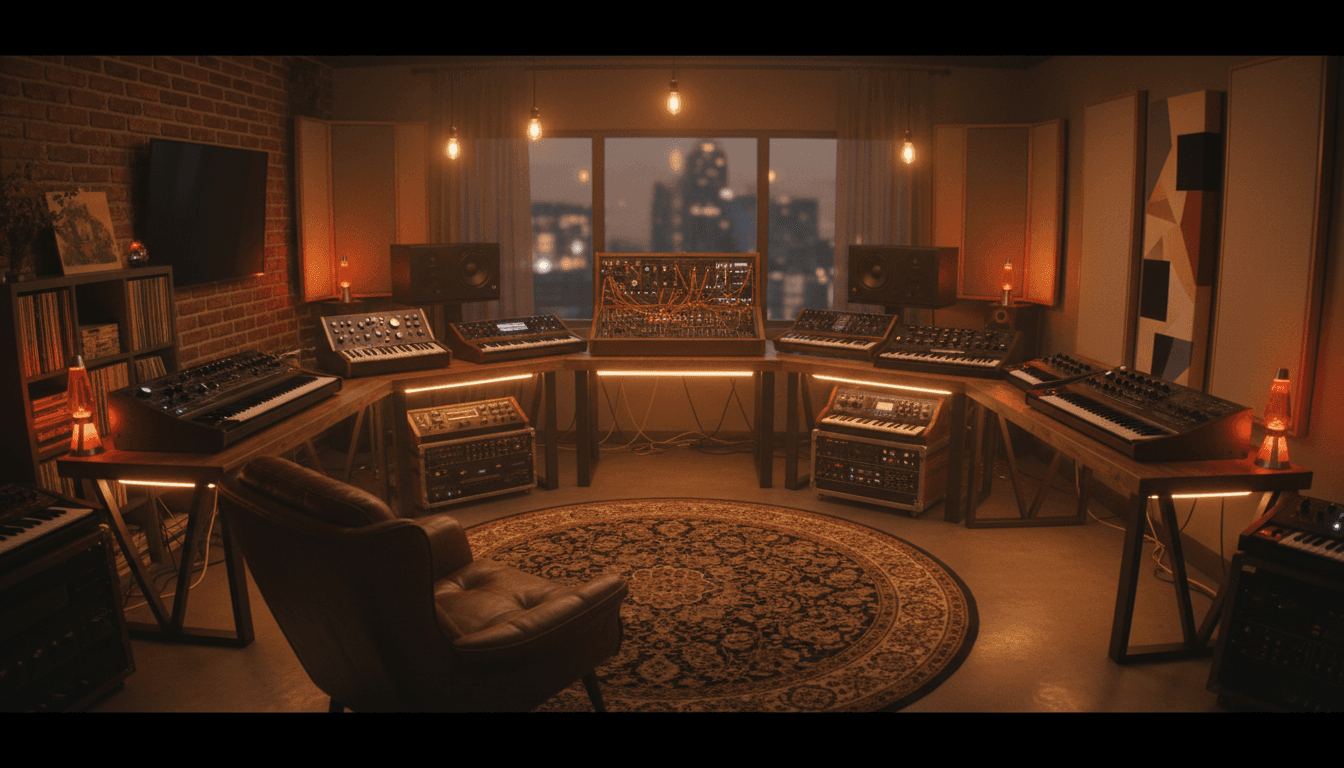
The physical environment also influences the ability to finish. A dedicated studio space offers the acoustic neutrality needed to make definitive decisions, whereas bedroom setups often introduce variables that lead to perpetual second-guessing. In modern production, prioritize honest, raw textures over surgical perfection. Over-polishing a track can strip away the emotional grit that resonates with listeners. Achieving a meaningful transformation from a demo to a release involves recognizing when a performance is finished because it is authentic. These creative solutions streamline the songwriting process, ensuring every project reaches its intended audience.